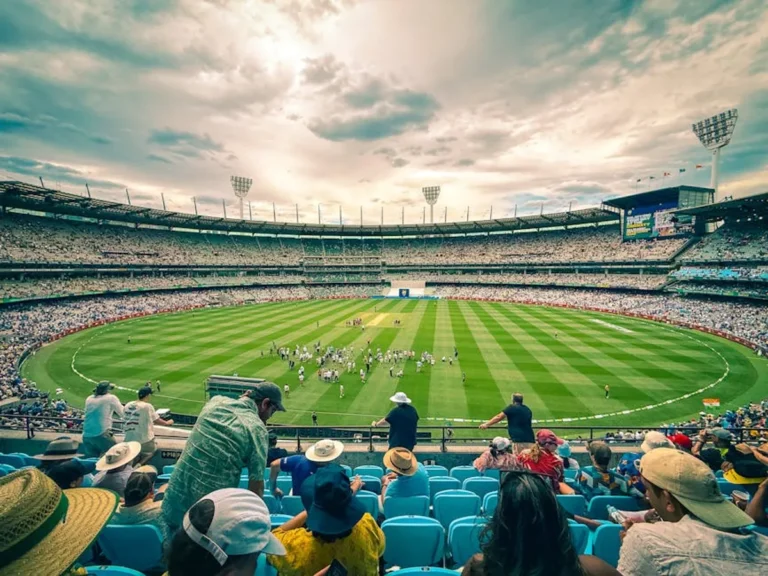
Sportsfanfare, as a domain, appears to cultivate a content presence centered on comprehensive sports analysis and fan engagement. Its organic search profile suggests an emphasis on capturing informational and comparative search intent, attracting an audience beyond just breaking news. By focusing on detailed features, safety-related discussions within the sports industry, and comparative content, Sportsfanfare positions itself to serve a dedicated segment of sports enthusiasts and casual observers seeking deeper insights.
What Sportsfanfare Appears to Cover
The content published on Sportsfanfare likely spans a broad spectrum of sports-related topics, moving beyond mere scores and schedules. Its editorial focus seems to include in-depth player profiles, historical game recaps, and tactical breakdowns that appeal to an audience seeking granular detail. Content categories could encompass league-specific analyses, team performance evaluations, and discussions around emerging trends in various sports. The site may also feature content dedicated to fantasy sports, offering strategy guides, player projections, and waiver wire recommendations. A significant portion of its articles could be dedicated to long-form narratives, interviews with athletes or coaches, and opinion pieces that foster community discussion and engagement.
Regarding "features," Sportsfanfare's content might highlight specific aspects of sports, such as the evolution of a particular game, the impact of rule changes, or technological advancements in sports equipment. This segment of content aims to educate and inform, often targeting search queries related to "how [sport] has changed" or "best [equipment] for [sport]." The site's coverage might also extend to the business of sports, exploring topics like team valuations, media rights, and the economics of major sporting events. This indicates an attempt to capture search interest from both dedicated fans and those with a commercial interest in the sports industry.
The "safety" aspect in Sportsfanfare's content could involve articles on athlete health and injury prevention, mental wellness in sports, or discussions around ethical practices in competition, such as anti-doping policies. It might also cover fan safety at events, data privacy concerns related to sports apps, or guides on identifying authentic sports merchandise to avoid counterfeits. This content cluster aims to build trust and authority by addressing critical, often overlooked, aspects of the sports world, attracting users with specific concerns or research needs. These topics cater to an audience looking for reliable information on responsible engagement with sports, both as participants and consumers.
In terms of "alternatives," Sportsfanfare's content strategy might involve comparative analyses of different teams, players, or coaching styles. It could also publish articles evaluating various sports betting platforms, fantasy sports services, or sports streaming options, positioning itself as a resource for informed decision-making. This type of content directly addresses user intent around "X vs Y" comparisons or "best alternatives to Z," aiming to capture traffic from users actively researching choices within the sports ecosystem. By providing balanced comparisons, Sportsfanfare establishes itself as a neutral, informative source rather than a promotional one.
Where Its Search Traffic May Come From
Sportsfanfare's organic search traffic is likely driven by a combination of long-tail keywords and evergreen content. Users searching for specific player statistics, historical game outcomes, or in-depth explanations of sports rules would find value here. Traffic could also originate from queries related to fantasy sports advice, injury updates, or team roster analyses. The site's focus on detailed features and comparative content means it would attract users looking for "best [player] of all time," "how to play [sport] fantasy," or "comparison of [team A] and [team B]." These are typically informational or commercial investigation queries, indicating a higher level of engagement than simple news consumption.
Beyond direct informational searches, Sportsfanfare may also capture traffic from users looking for opinion pieces or commentary on current sports events, especially if it cultivates a distinctive editorial voice. Seasonal events like major tournaments, draft seasons, or trade deadlines would generate spikes in traffic for highly relevant, timely content. However, the emphasis on evergreen topics ensures a baseline of consistent traffic even during off-seasons. The site's internal linking structure, if well-executed, would help distribute authority across its content clusters, boosting visibility for related searches.
Search Intent Behind Sportsfanfare
The primary search intent targeted by Sportsfanfare appears to be informational and comparative. Users arriving at the site are likely seeking comprehensive answers, detailed explanations, or objective comparisons rather than quick facts or transactional outcomes. For instance, a user searching for "history of the triple-option offense" exhibits a deep informational need, while "Messi vs Ronaldo statistics" demonstrates a comparative intent. The site's content around "safety" in sports also caters to informational intent, addressing user concerns or research needs related to well-being and ethical practices. The "alternatives" content directly targets comparative and commercial investigation intent, guiding users through different options or choices within the sports domain.
Sportsfanfare also caters to a degree of navigational intent, particularly for returning visitors who are familiar with its specific content categories or contributors. This is reinforced if the site develops a strong brand identity and a loyal readership. However, the bulk of its organic traffic would likely stem from users discovering it through specific, detailed queries that align with its deep-dive content strategy.
Why Traffic May Rise or Fall
Sportsfanfare's search traffic fluctuations are intrinsically linked to content relevance, search engine algorithm updates, and the cyclical nature of sports seasons. A rise in traffic could be attributed to publishing timely, high-quality content around major sporting events, successful targeting of emerging long-tail keywords, or an increase in domain authority through strategic link building. Positive algorithm updates that favor in-depth, authoritative content would also benefit the site. Conversely, a decline could result from neglect of content freshness, increased competition for key terms, or negative algorithm shifts that de-prioritize older content or less authoritative sources. The site's ability to adapt its content strategy to evolving user interests and search trends is critical for sustained growth.
Furthermore, a lack of comprehensive coverage on trending topics, or a failure to update evergreen content with new information, could lead to a gradual erosion of search visibility. Poor technical SEO, such as slow page load times or mobile unfriendliness, could also negatively impact rankings and user experience, leading to traffic loss. The depth and accuracy of its "features," "safety," and "alternatives" content categories are particularly important; any perceived lack of authority or outdated information in these areas could deter users and search engines.
How the Site Could Improve Organic Visibility
To enhance organic visibility, Sportsfanfare could focus on several key areas. First, a robust content audit would identify opportunities to update and expand existing high-performing articles, particularly those in the "features" and "safety" categories, ensuring they remain current and comprehensive. Developing more topic clusters around specific sports or sub-niches, such as "youth sports safety protocols" or "advanced baseball analytics," could help establish deeper topical authority. Implementing schema markup for articles, reviews, and potentially Q&A sections would improve how its content appears in search results, potentially leading to rich snippets.
Secondly, Sportsfanfare could invest in a more aggressive internal linking strategy, connecting related articles to guide users and search engine crawlers through its content labyrinth. This would help reinforce topical relevance and distribute page authority. Actively seeking high-quality backlinks from authoritative sports news sites, blogs, and forums would also significantly boost its domain authority and search rankings. Finally, analyzing competitor content that ranks for target keywords, especially for "alternatives" and comparative topics, could reveal content gaps or opportunities for more comprehensive coverage.
What to Check Before Trusting Traffic Estimates
Before relying on third-party traffic estimates for Sportsfanfare, it is crucial to understand their inherent limitations. Such estimates are extrapolations based on sampled data and keyword ranking analyses, not direct access to a site's analytics. Key factors to consider include the methodology used by the estimation tool, the recency of its data, and the specific keywords it tracks. Tools often miss long-tail keyword performance, which can be a significant traffic driver for content-heavy sites like Sportsfanfare. Furthermore, they typically don't account for direct traffic, referral traffic from social media, or traffic from email newsletters, which can represent a substantial portion of a site's overall visitors.
Therefore, any external traffic figures should be treated as directional indicators rather than precise measurements. A more reliable assessment would involve direct access to Sportsfanfare's own analytics (e.g., Google Analytics or similar first-party data) to understand user behavior, traffic sources, and conversion metrics. Without this direct data, insights derived from third-party tools should inform strategic hypotheses, not definitive conclusions about performance.
What type of content does Sportsfanfare typically publish?
Sportsfanfare appears to publish in-depth analyses, player profiles, historical game reviews, tactical breakdowns, and comparative articles. It covers specific features of sports, discussions on safety within the industry, and comparisons of related entities like teams or services.
How does Sportsfanfare attract organic search traffic?
The site likely attracts organic search traffic through long-tail keywords related to detailed sports information, fantasy sports advice, player statistics, and comparative queries. Its evergreen content and timely coverage of major events contribute to its visibility.
What kind of search intent does Sportsfanfare target?
Sportsfanfare primarily targets informational and comparative search intent. Users are likely seeking comprehensive answers, detailed explanations, objective comparisons, and reliable information on sports-related safety and ethical practices.
How can Sportsfanfare improve its search engine visibility?
Improving visibility can be achieved through content audits, expanding topic clusters, implementing schema markup, strengthening internal linking, and acquiring high-quality backlinks. Analyzing competitor content also helps identify new content opportunities.