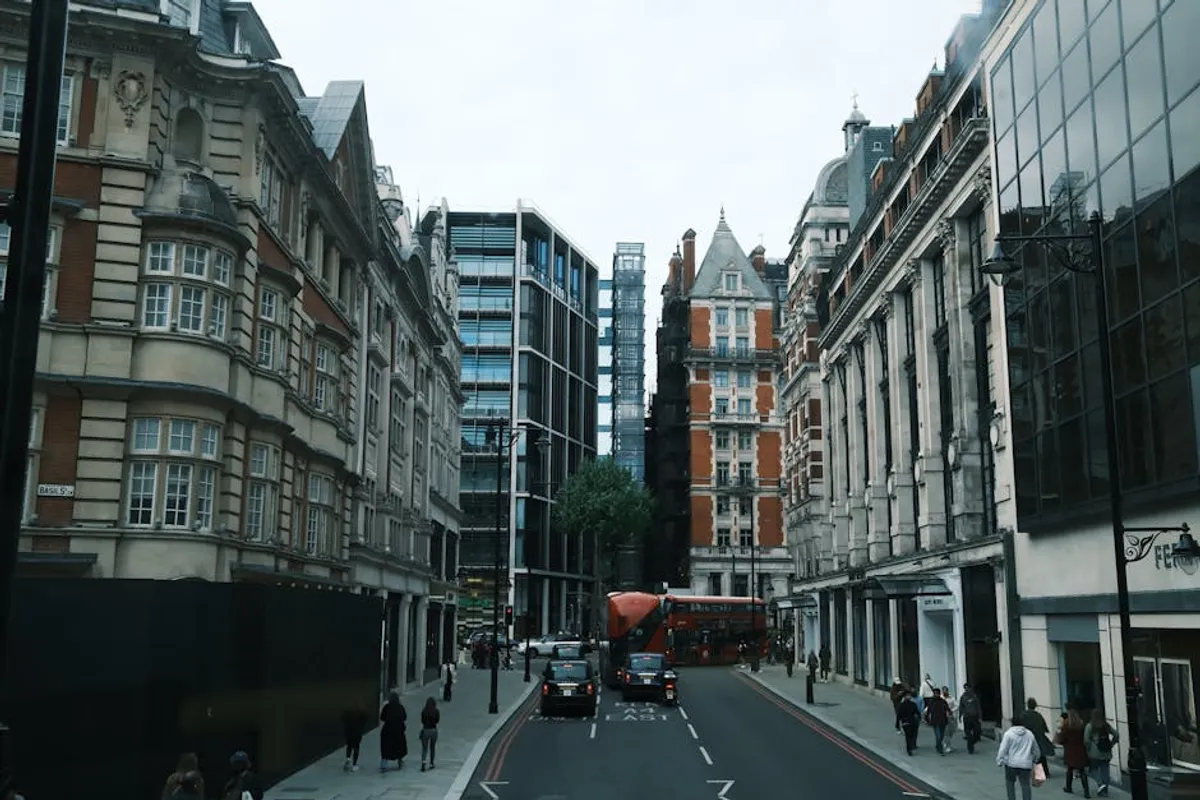
The entity known as Mayfair London Review, which we will treat as a content publisher in this analysis, appears to position itself as a central resource for insights into London's prestigious Mayfair district. Its search presence would likely be built around delivering detailed evaluations and practical information concerning establishments, services, and experiences within this high-value geographic area. Understanding its potential search traffic patterns involves dissecting the specific queries users might employ when seeking guidance on Mayfair, the depth of information they expect, and how the content addresses varying stages of their decision-making process.
What the Mayfair London Review Appears to Cover
A content entity operating under the moniker Mayfair London Review would likely focus on several core topic clusters. These would include detailed evaluations of luxury hotels, fine dining restaurants, high-end retail establishments, and cultural venues situated in Mayfair. The site would also likely cover service-oriented businesses, such as exclusive concierge services, private clubs, and bespoke event planners. Beyond individual reviews, it would probably publish broader guides on navigating Mayfair, historical insights into specific locales, and updates on new openings or significant changes within the district. A key content area would involve addressing the "What It Is" aspect from the title, defining the character and offerings of Mayfair itself, alongside specific establishments. The "Features" component would translate into detailed breakdowns of amenities, unique selling points, and operational specifics for each reviewed entity. Content related to "Safety" would likely manifest as discussions around reputational integrity, operational standards, and consumer protection within the luxury sector, rather than generalized security advice. Finally, "Alternatives" would involve comparative content, presenting similar options within Mayfair or other affluent London districts, allowing users to weigh different choices.
Where Its Search Traffic May Come From
Search traffic for Mayfair London Review would originate from a combination of highly specific, long-tail queries and broader informational searches. Users seeking specific establishment reviews might type "The Ritz London Mayfair review" or "best Michelin star restaurants Mayfair." Navigational queries for known entities within Mayfair, combined with the term "review," would also be a significant source. Informational searches could include phrases like "things to do in Mayfair," "Mayfair luxury shopping guide," or "history of Mayfair London." The site would also likely attract traffic from localized searches, such as "Mayfair private members clubs" or "boutique hotels near Bond Street." Comparative queries like "Claridge's vs The Connaught review" would indicate users in a decision-making phase. Content explicitly addressing "safety" or "reputation" for specific high-value services or establishments in Mayfair would also capture a distinct segment of users performing due diligence.
Search Intent Behind the Subject
The search intent targeting content published by Mayfair London Review would primarily be informational and commercial investigation. Users conducting informational searches are seeking to understand, learn, or explore options without an immediate purchase in mind. Examples include "what is Mayfair known for" or "Mayfair art galleries guide." Commercial investigation intent, however, signals a user actively researching a product or service before making a decision. This would be evident in queries such as "best afternoon tea Mayfair," "luxury hotel Mayfair comparison," or "is [specific Mayfair restaurant] worth it." The "safety" and "alternatives" content would directly address commercial investigation intent, helping users validate choices or explore competing options. Navigational intent, where users are looking for a specific known entity, would also contribute, particularly when combined with review-oriented terms, indicating a desire to find reputable information about that entity.
Why Traffic May Rise or Fall
Traffic to Mayfair London Review could fluctuate based on several factors. A rise might occur due to increased seasonal tourism to London, particularly during peak travel seasons or major events that draw affluent visitors. Timely updates on new luxury openings, major renovations, or significant cultural events in Mayfair could also drive spikes. Strong evergreen content that consistently ranks for high-volume informational and commercial-investigation keywords would provide a stable traffic baseline. Conversely, traffic could fall if content becomes outdated, failing to reflect changes in Mayfair's dynamic landscape. A decline in search visibility for key terms, perhaps due to increased competition from other luxury lifestyle publishers or travel guides, would directly impact organic reach. Negative shifts in search algorithm preferences for review content or localized search signals could also contribute to a downturn. A lack of fresh content or failure to address emerging user queries related to Mayfair's evolving offerings would also lead to stagnation.
How the Site Could Improve Organic Visibility
To enhance organic visibility, Mayfair London Review could implement several strategies. First, a robust internal linking structure, connecting related reviews and guides, would improve crawlability and distribute link equity. Developing comprehensive cluster content around major Mayfair landmarks or categories (e.g., "Mayfair Shopping," "Mayfair Hotels") with dedicated hub pages would consolidate topical authority. Integrating schema markup, particularly for local businesses (LocalBusiness schema), reviews (Review schema), and articles (Article schema), would help search engines better understand and display content in rich snippets. Regular content audits to identify and update outdated reviews, ensuring accuracy and recency, are crucial for maintaining relevance. Expanding into multimedia content, such as high-quality photography and short video tours of reviewed locations, could also attract engagement and improve dwell time. Actively monitoring search trends for Mayfair-related queries and creating responsive content for emerging interests would capture new traffic segments. Furthermore, building external citations and mentions from other authoritative luxury travel or lifestyle publications would bolster its credibility and domain authority.
What to Check Before Trusting Traffic Estimates
When evaluating traffic estimates for a site like Mayfair London Review, it is critical to consider the methodologies and data sources behind the figures. Many third-party tools rely on panel data, clickstream data, or extrapolated keyword volumes, which can have significant margins of error, especially for niche sites or those with highly specific audiences. One should verify the recency of the data, as search trends and competitive landscapes for luxury travel can shift rapidly. Cross-referencing estimates from multiple reputable sources can help identify discrepancies and provide a more balanced view. It is also important to understand if the estimates account for branded search traffic versus non-branded, as a high proportion of branded searches might indicate strong direct recognition rather than broad organic discovery. Finally, consider the geographic targeting of the estimates; a site focused on London's Mayfair will have a distinct audience profile that might not be accurately reflected in global or national traffic aggregations.
Frequently Asked Questions
What types of establishments does Mayfair London Review typically evaluate? The site focuses on luxury hotels, fine dining restaurants, high-end retail, private clubs, and bespoke services within the Mayfair district of London.
How does Mayfair London Review address the reliability of its information? The site would likely feature editorial guidelines, disclose review methodologies, and potentially highlight expert contributors to build trust around its content.
Does Mayfair London Review provide content for both tourists and local residents? Yes, its content strategy would likely cater to both international visitors seeking luxury experiences and discerning London residents looking for new or updated insights into Mayfair's offerings.
What kind of "alternatives" does Mayfair London Review discuss? The site would typically compare similar luxury establishments within Mayfair or suggest high-end options in comparable affluent London neighborhoods, helping users make informed choices.